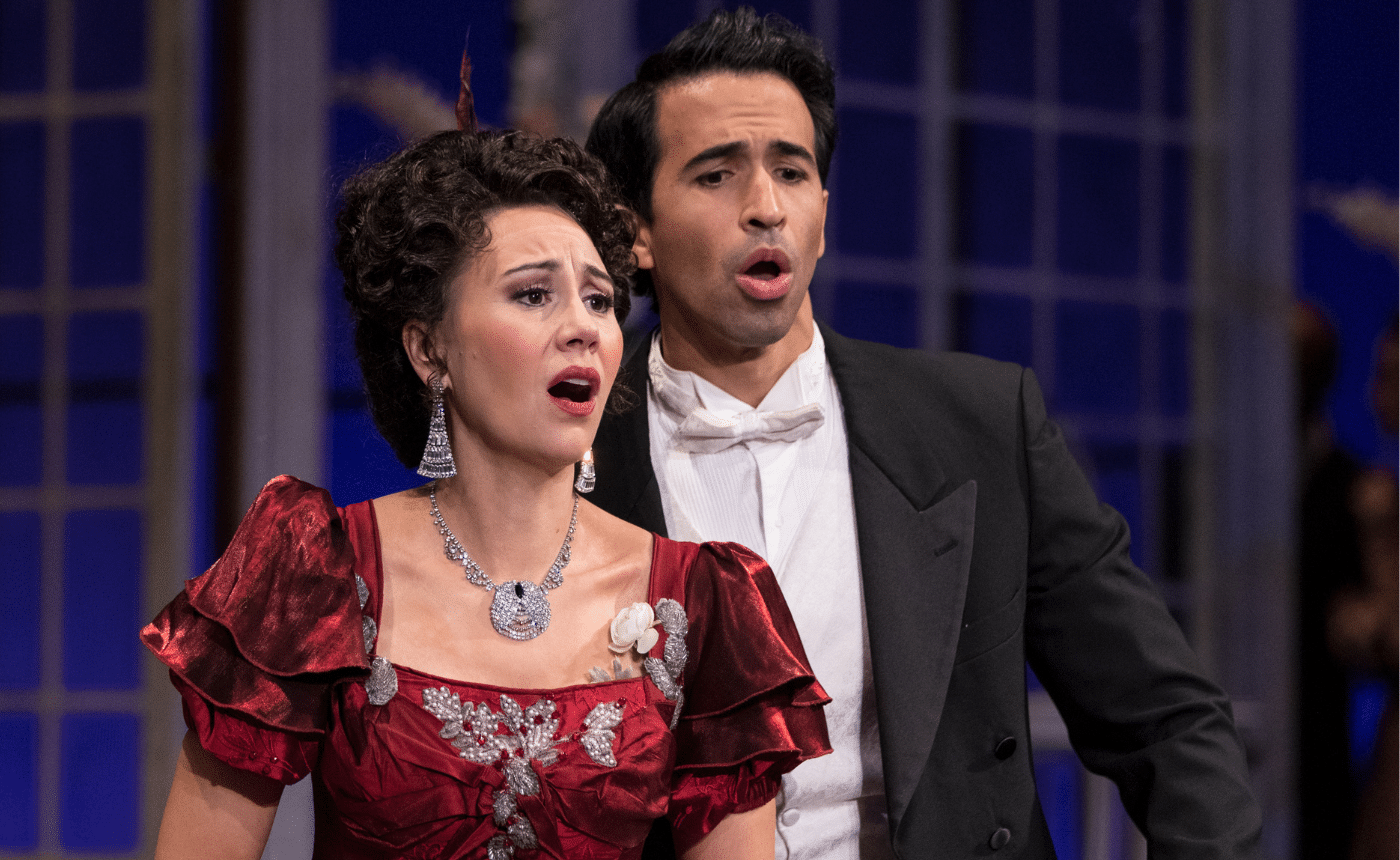
La TraviataComposer & Librettist
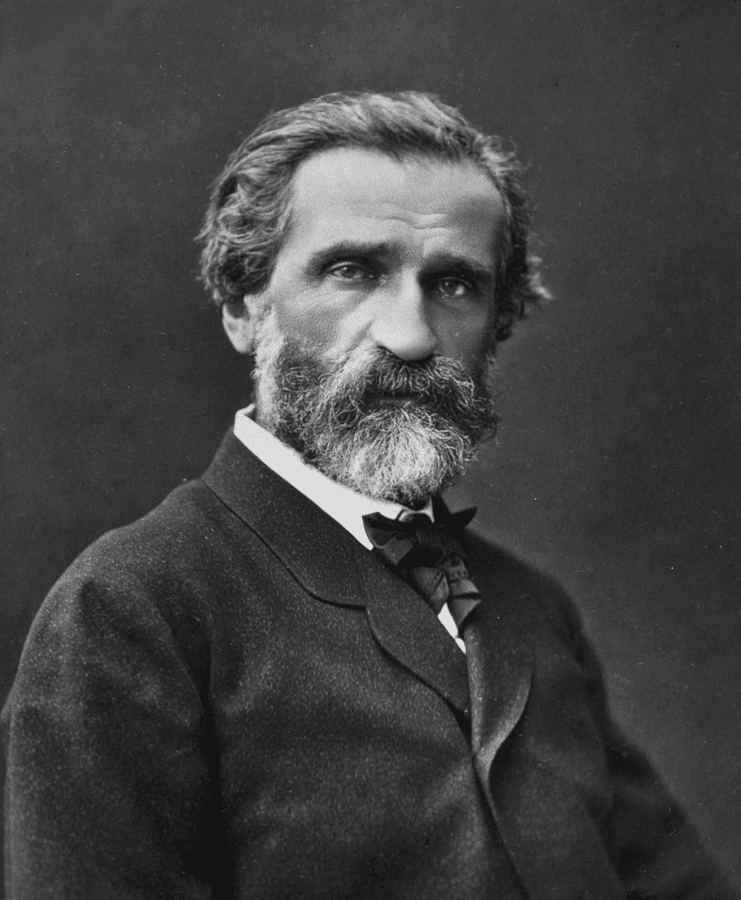
GIUSEPPE VERDI WAS BORN IN LE RONCOLE, ITALY, IN 1813 into a family of small landowners and taverners. When he was 7, he was helping the local church organist; by 12, he was studying with the organist at the main church in nearby Busseto and, in 1829, he became this organist’s assistant. It was there that he first took lessons on composition. Verdi’s first success as an opera composer came in 1841 with Nabucco. By 1851, when Rigoletto first saw the stage, Verdi had produced 18 operas. He became the most popular opera composer of his age, and every opera house in Italy sought to produce his works.
Verdi visited Paris from late 1851 through March 1852. In February he attended a performance of Alexandre Dumas Jr.’s La dame aux camélias. Verdi biographer Mary Jane Phillips-Matz reports that as a result of this, “the composer immediately began to compose music for what would later become La traviata.” However, Julian Budden notes that Verdi had probably read the Dumas novel some time before and, after seeing the play and returning to Italy, “he was already setting up an ideal operatic cast for it in his mind,” as shown by his dealings with La Fenice Theatre.
On his return to Italy, the composer had immediately set to work on Il trovatore for the January 1853 premiere in Rome, but at the same time seemed to have ideas for the music for La traviata in his head. Since then, La traviata has become the most popular of all Verdi’s operas, placing it first in the Operabase list of most performed operas worldwide.
Verdi spent his later years in Milan; rich, authoritarian, but charitable. He was visited often at his home there, and was much revered and honored. He died at the beginning of 1901 in Milan, and it is said that 28,000 people lined the streets for his funeral procession.
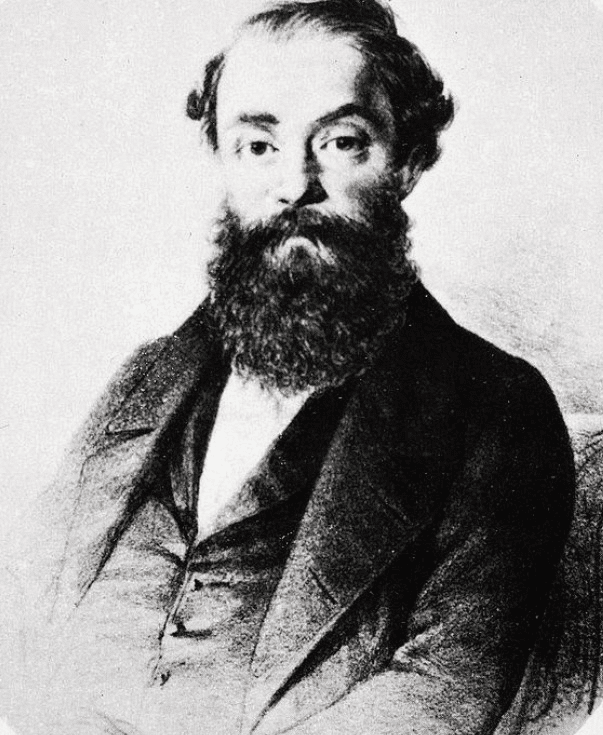
BORN IN MURANO IN 1810, FRANCESCO MARIA PIAVE WAS AN ITALIAN LIBRETTIST and composer. He abandoned an ecclesiastical career, continuing his studies in Rome, where he had moved with his family. In 1842 he became performance director at the La Fenice Theatre in Venice, where from 1848 to 1859 he was named official poet.
In 1842, he also worked with La Scala Theatre in Milan, and was official poet there from 1859 to 1867. He wrote about 60 librettos for various composers: Mercadante, Pacini, Ponchielli, and the Ricci brothers for whom he wrote the poetry for Crispino e la comare (1850).
His most important librettos, though, were those he wrote for Verdi, of whom he became an assiduous and devoted collaborator. He did 10 librettos for the Maestro of Busseto: Ernani and I due Foscari (1844), Attila (1846), Macbeth (1847), Il corsaro (1848), Stiffelio (1850), Rigoletto (1851), La traviata (1853), Simon Boccanegra (1857) and La forza del destino (1862).
Piave died in 1867 in Milan.